


Muscle cars were not supposed to get smarter. They were supposed to get louder, angrier, and eventually extinct. Yet here we are, driving a 550-horsepower Dodge Charger through wintery mountain roads with all-wheel drive, drive modes, and enough computing power to keep it out of the trees.
The 2026 Dodge Charger Scat Pack Sixpack exists because Dodge knows something. The old formula still works, but only if it evolves. Turbocharging replaces displacement, traction replaces chaos, and refinement sneaks in where rawness once ruled. Purists may bristle, but reality demands adaptation.
What surprised me was not that this Charger is fast. It absolutely is. What caught me off guard was how composed it felt when conditions were terrible, and how easily it could switch personalities the moment the road opened up. This is not nostalgia bait. It is a modern muscle car trying to survive in a world that does not build many like it anymore.
What Are the Key Specs of the 2026 Dodge Charger Scat Pack Sixpack?
- Engine: Twin-turbocharged 3.0-liter inline-six
- Output: 550 horsepower / 531 lb-ft of torque
- Transmission: Eight-speed automatic
- Drivetrain: All-wheel drive with rear-wheel-drive mode
- 0–60 mph: 3.9 seconds
- Quarter-mile: 12.2 seconds
- Top Speed: 177 mph
- Base Price: $56,990
What Makes the Sixpack Different From Other Chargers?
Dodge has made it clear that gasoline engines are not going quietly. The Scat Pack Sixpack uses the most powerful version of the Hurricane twin-turbo inline-six, delivering serious performance without relying on a V-8.
On paper, the numbers are impressive. On the road, the engine feels quick, responsive, and relentless. Launches are strong, highway passing is effortless, and the Charger never feels short on power.
What it does not deliver is drama through sound. The engine note is muted and distant, lacking the emotional punch longtime Dodge fans might expect. You feel the speed more than you hear it. Whether that matters depends on what you value more, performance or personality.
How Does AWD Change the Charger Experience?
All-wheel drive comes standard, and it completely changes how usable this Charger is. On the snow-covered Skyway, Wet/Snow mode worked overtime to keep the car composed. Despite all-season tires and questionable conditions, the Charger remained manageable and predictable.
Switching to Sport mode transforms the car. Power distribution shifts rearward, steering weight increases, and throttle response sharpens. You can even disconnect the front axle entirely, sending all power to the rear wheels. Line Lock is standard, meaning Dodge has not forgotten what this car is meant to do.
It is essentially two cars in one. Calm and confident when conditions are poor, and unapologetically rowdy when you want it to be.
What Does the 2026 Charger Look Like Compared to the EV Version?
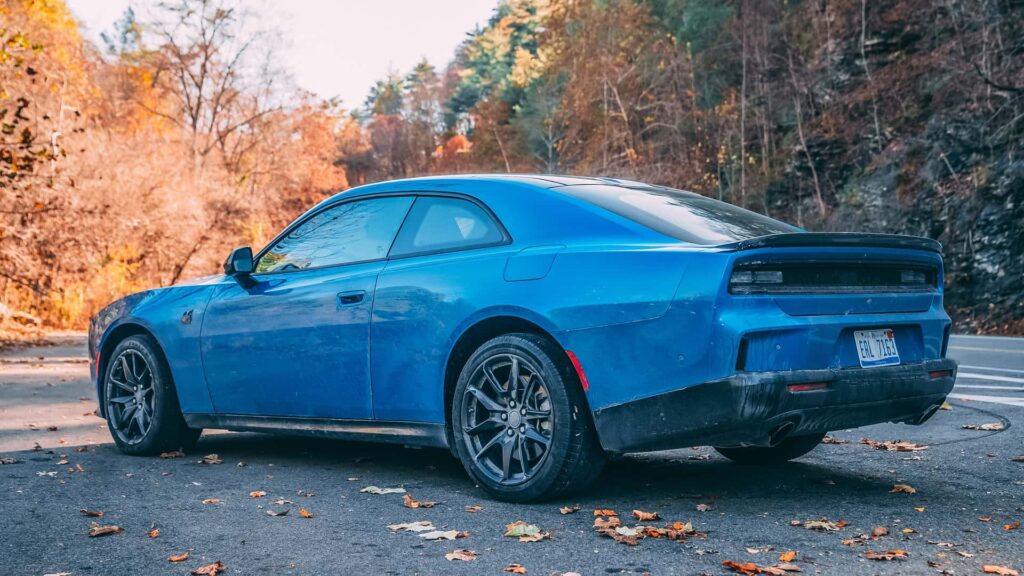
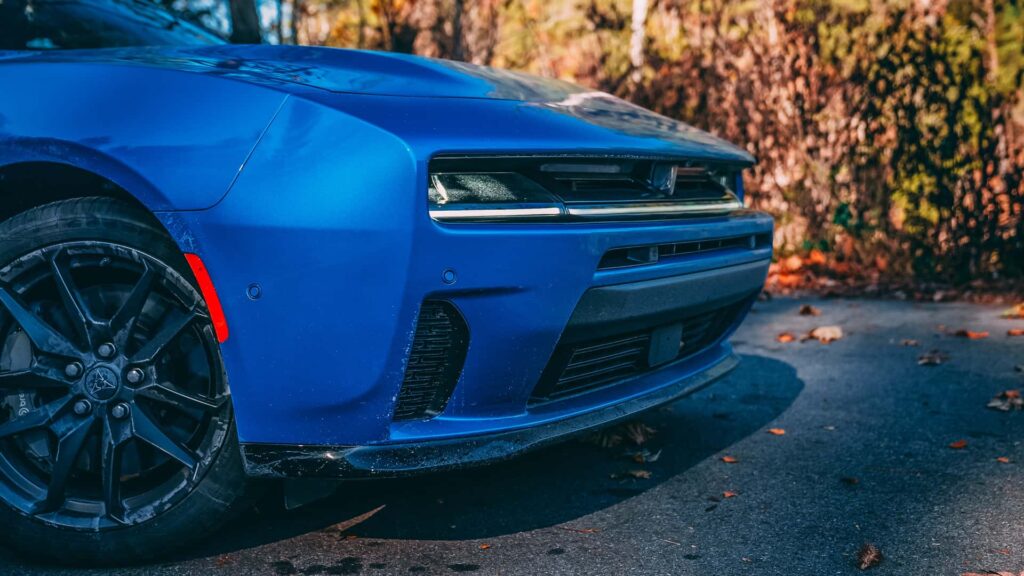
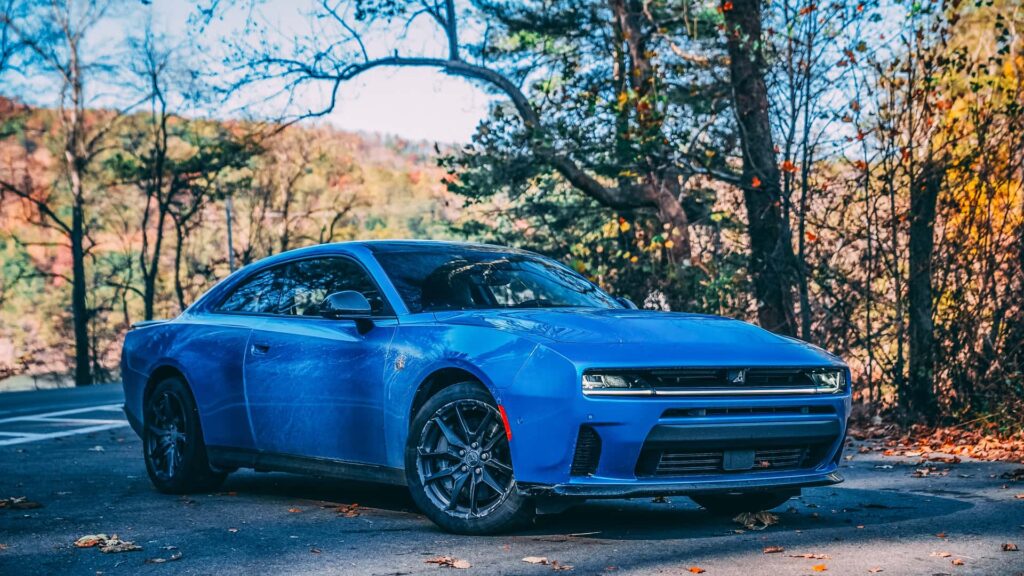
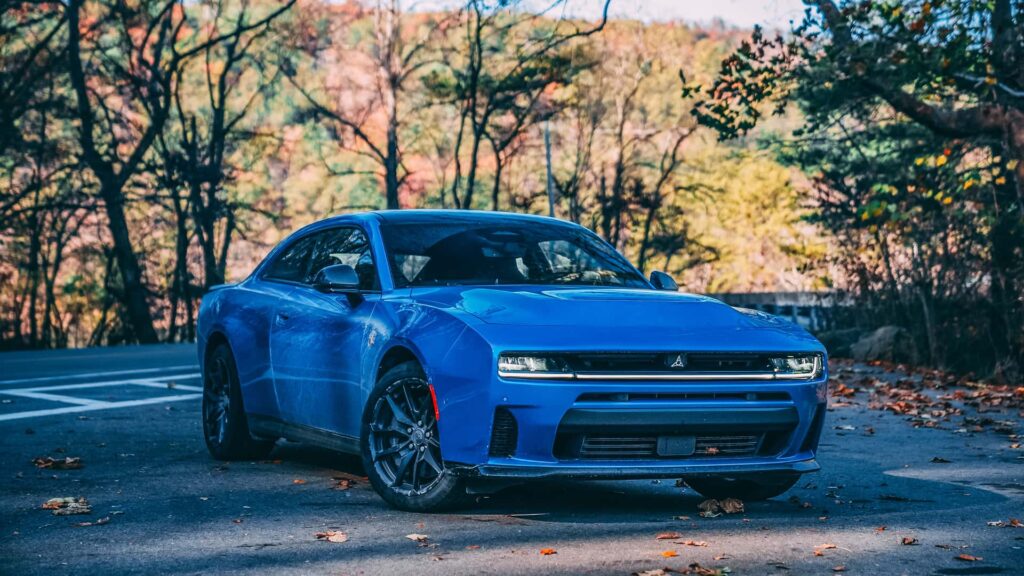
It is easy to spot the difference between the electric Charger Daytona and the gas-powered Sixpack. The hood is taller, the front fascia is revised for cooling, and the R-Wing found on the EV is gone.
At the rear, the giveaway is obvious. Real exhaust outlets sit beneath bold Charger lettering. On the electric model, that same spot proudly reads Daytona.
The changes are functional rather than flashy, but they give the Sixpack a more traditional muscle car presence.
Is the Interior Comfortable for Daily Driving?
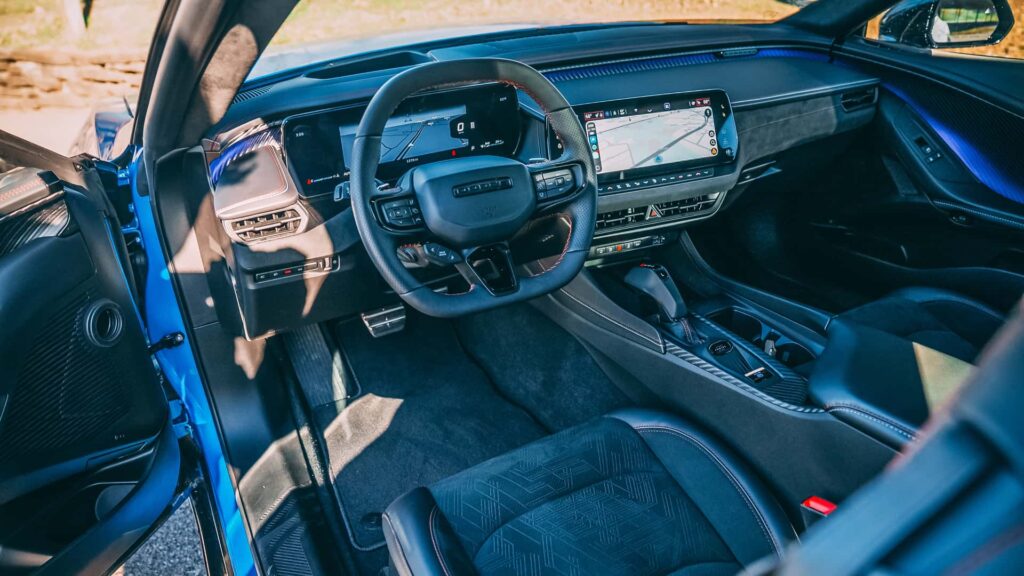
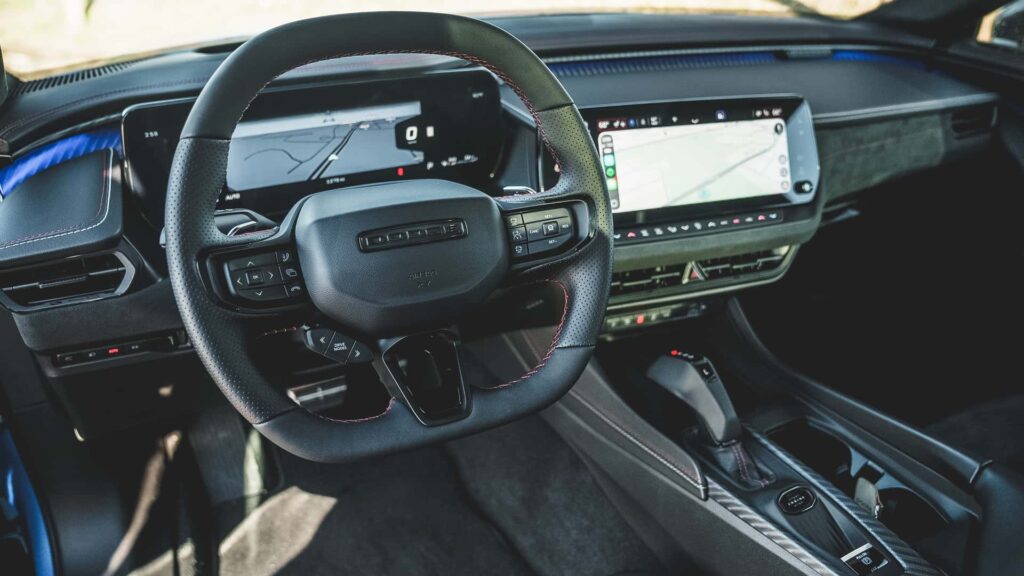
Inside, the Charger feels spacious and modern. Both two-door and four-door versions offer generous room, including a usable back seat. Rear passengers will not feel like an afterthought.
The optional high-back front seats look aggressive and feel well made, but they take some getting used to. Initially, they feel more like you are sitting on top of them rather than settled into place. Over time, comfort improves, but better bolstering would go a long way.
The cabin layout is clearly driver-focused. A 10.3-inch digital gauge cluster is standard, while higher trims upgrade to a wider 16.0-inch display. A 12.3-inch center screen runs Uconnect 5, which remains one of the better infotainment systems on the market.
Is the Charger Actually Practical?
Surprisingly, yes. The Charger hides a large hatch-style opening at the rear, making it more practical than it looks. Fold the rear seats down and cargo space rivals some compact SUVs.
It is essentially a very fast, very large hatchback pretending to be a coupe. Grocery runs, road trips, and daily errands are all easily within its comfort zone.
How Does the Charger Handle on a Real Driver’s Road?
The Tail of the Dragon is not kind to big cars, yet the Charger impressed. Despite its size and weight, it turns in eagerly and remains composed through rapid direction changes.
Sport mode makes a huge difference. Steering feel improves dramatically, body control tightens up, and the car feels far more connected. Braking performance from the six-piston Brembos up front is strong, though you can feel the weight during aggressive downhill sections.
The suspension deserves praise. Without adaptive dampers, Dodge managed to strike an excellent balance. The ride is comfortable when cruising and controlled when pushing hard. A multi-link front setup and independent rear suspension do a lot of heavy lifting here.
Can the Sixpack Still Be a Proper Muscle Car?
Absolutely. In an open lot, rear-wheel-drive mode reminds you why the Charger name still matters. Drifts, burnouts, and tire smoke are all just a few button presses away.
There is no drift scoring system or electronic babysitting here. You are responsible for your inputs and the consequences. That makes the experience feel raw in way modern performance cars often avoid.
How Much Does the 2026 Dodge Charger Scat Pack Sixpack Cost?
The Scat Pack Sixpack starts at $56,990. Choosing the four-door version adds $2,000. Buyers looking for a cheaper entry point can wait for the Charger R/T, which uses a 420-horsepower version of the same engine and starts at $51,990.
For under $60,000, the Sixpack delivers serious speed, all-weather usability, and genuine performance credibility.
Is the 2026 Charger Scat Pack Sixpack Worth It?
Dodge will likely bring a V-8 version eventually, but this Sixpack already does a convincing job of keeping muscle car fans interested. It offers thrills that the electric Daytona struggles to communicate, even if it cannot match the soundtrack of past Chargers.
This is a four-season muscle car that embraces modern tech without forgetting its roots. It may need a bit more noise to win over purists, but as a complete performance package, the Charger Scat Pack Sixpack is far more impressive than it has any right to be.
Discover more from Autochat360
Subscribe to get the latest posts sent to your email.