


The Subaru Outback has always lived in its own space. It is not quite a traditional SUV, yet it is bigger and tougher than most wagons. For years, that odd positioning has been its secret weapon. People may debate what the Outback actually is, but everyone understands what it stands for. Adventure, practicality, and go-anywhere confidence.
Subaru has been refining that formula for three decades, and it has paid off. The Outback is one of the brand’s most successful models ever, especially among buyers who love camping, hiking, and outdoor lifestyles.
For 2026, Subaru made one of the boldest changes in the Outback’s history. With the Legacy sedan gone, the Outback no longer needs to share its identity. The result is a vehicle that leans harder into SUV territory than ever before. The big question is whether that transformation works.
After spending time with the new model, the answer is mostly yes.
2026 Subaru Outback Quick Specs
- Engines: 2.5-liter flat-four / Turbocharged 2.4-liter flat-four
- Power: 180 hp / 260 hp
- Fuel Economy: 24 mpg combined / 27 mpg combined
- Base Price: $34,995
- As-Tested Price: $43,165
Exterior Design
The most noticeable update for 2026 is the styling. Subaru has moved away from the Outback’s flowing lines and sloped rear hatch. In their place is a more upright, boxy shape that feels inspired by Subaru wagons from decades past.
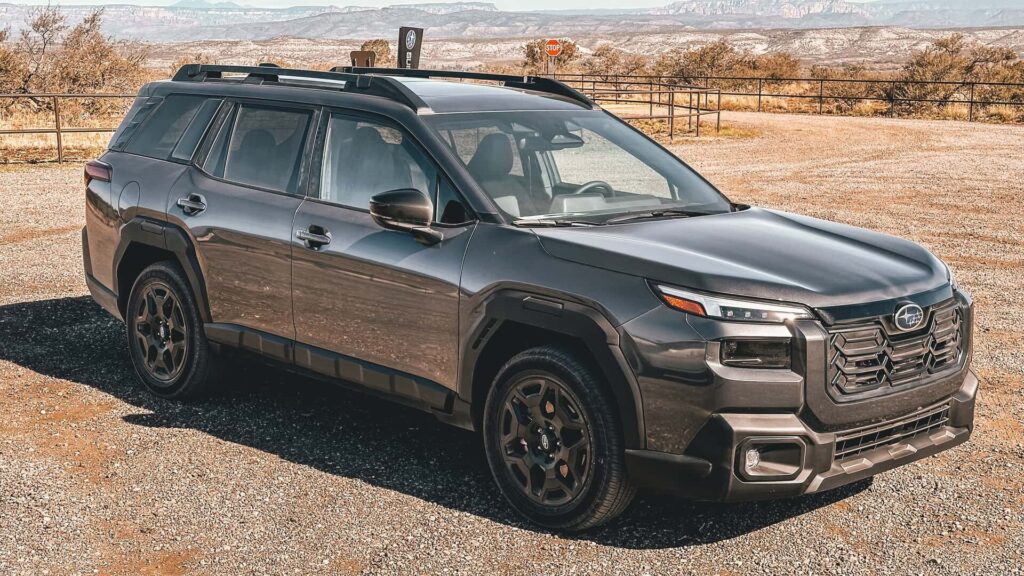
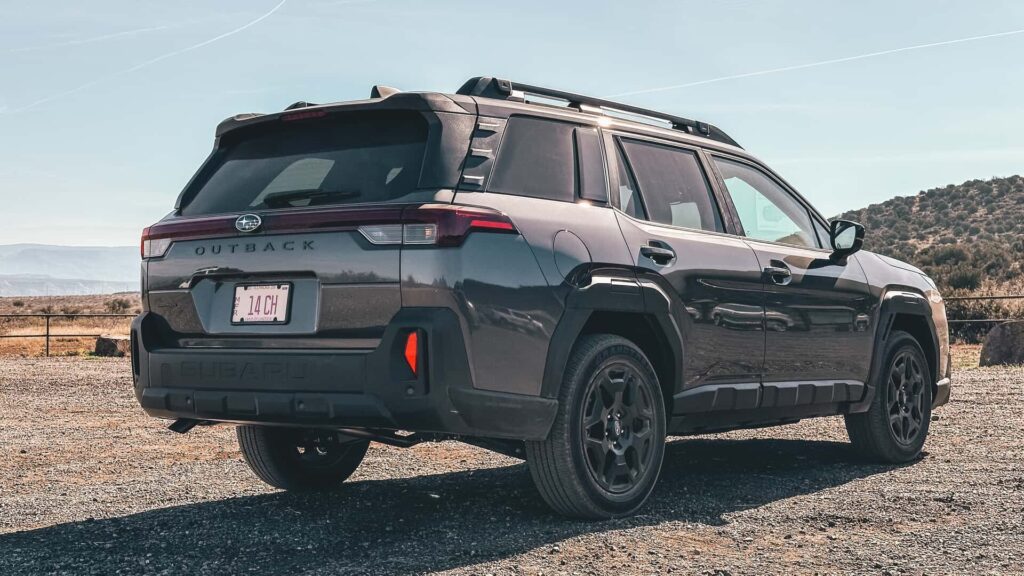
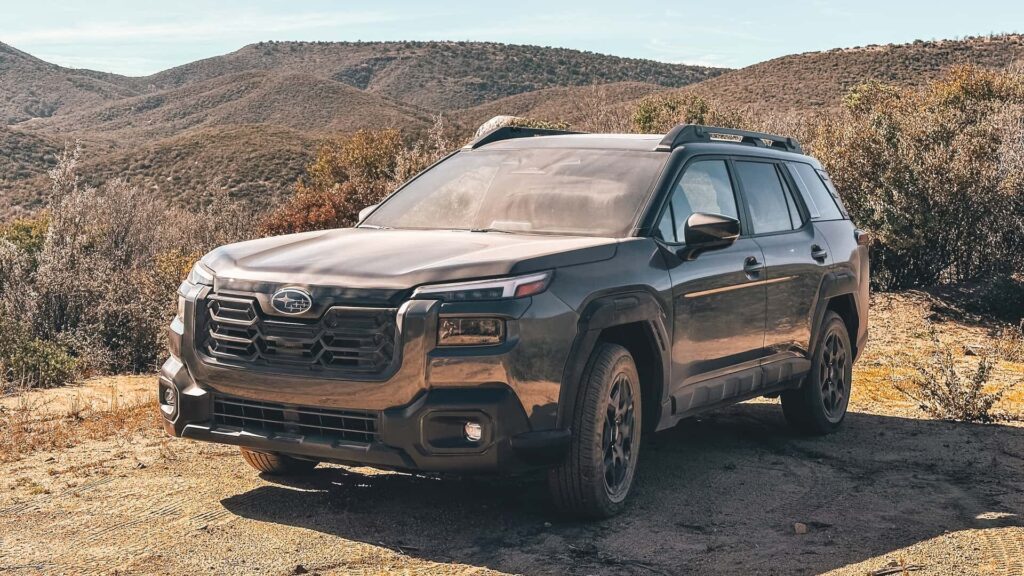
The front and rear designs now align more closely with the Forester, featuring a bold grille and heavy plastic cladding to reinforce the Outback’s off-road image. This look carries across the entire lineup, with the upcoming Wilderness trim set to receive unique design tweaks.
One interesting detail Subaru highlights is something called Shark Skin. These textured plastic panels feature a golf-ball-like pattern that is meant to improve aerodynamics and reduce wind noise. In real-world driving, the difference is subtle, but the detailing does add visual interest.
The new look has sparked debate online, with some claiming the Outback has abandoned its wagon roots. In person, though, it does not feel oversized or awkward. Even with a roofline that is 1.4 inches taller, the overall footprint remains nearly identical to the outgoing model.
Interior Design
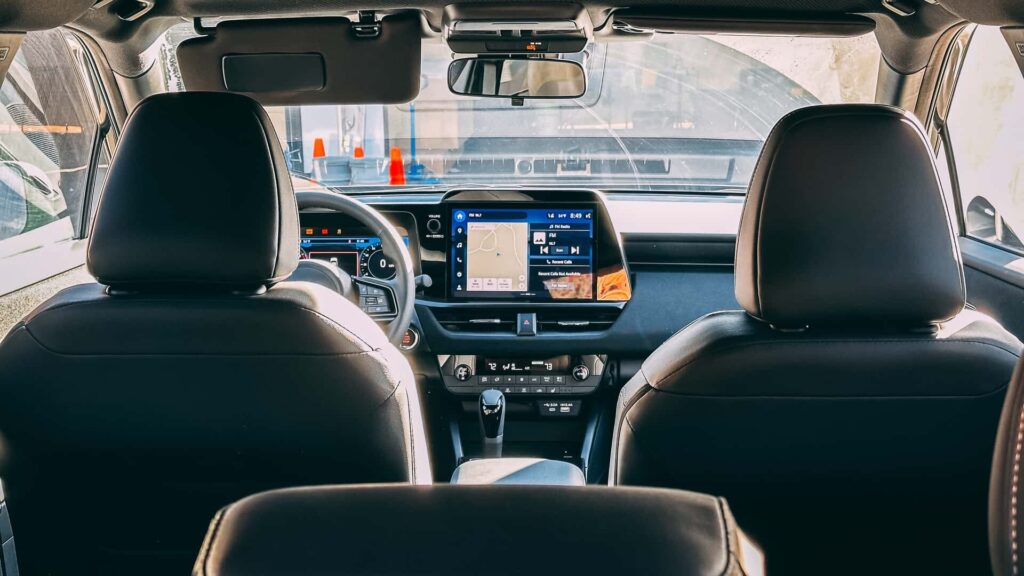
Step inside, and the 2026 Outback immediately feels like a big upgrade. Nearly everything besides the steering wheel is new, and Subaru clearly focused on usability and comfort.
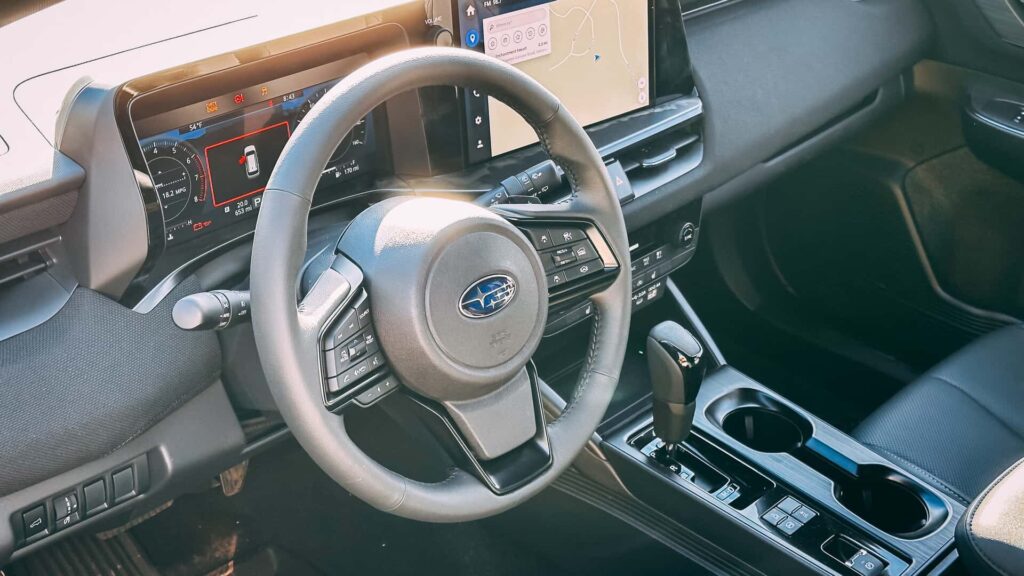
Even the cupholders tell a story. They now accommodate large 32-ounce water bottles, which is a small detail that matters a lot to Outdoorsy buyers. The door pockets are lined with carpet to prevent bottles from rattling around, and it genuinely works, even when driving on rough terrain.
Material quality has improved across the board. Soft-touch surfaces, fabric padding on the dashboard, and better plastics give the cabin a more refined feel. Thankfully, Subaru has also minimized piano black trim, especially in the Limited model, which means fewer fingerprints and smudges.
Another welcome change is the return of physical buttons. Subaru ditched the oversized touchscreen from the previous generation and replaced it with a more manageable 12.2-inch display. Climate controls, seat heaters, and other key functions are once again controlled by real buttons. Everything is easy to reach and intuitive to use.
Technology and Space
Subaru’s new infotainment interface is simpler and faster, focusing only on essentials like media, navigation, phone connectivity, and vehicle settings. It is a huge improvement over the old system, even though it still has a few bugs.
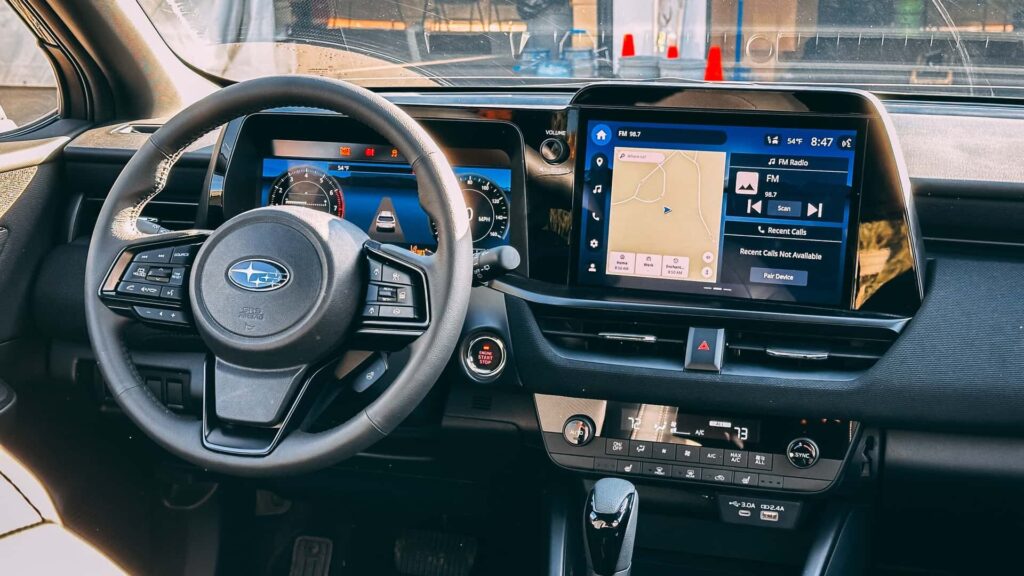
During testing, X-Mode occasionally failed to display correctly, and the EyeSight driver assistance system was overly sensitive, repeatedly issuing alerts even when manually disabled. These issues are annoying, but they feel like software problems that Subaru can fix with updates.
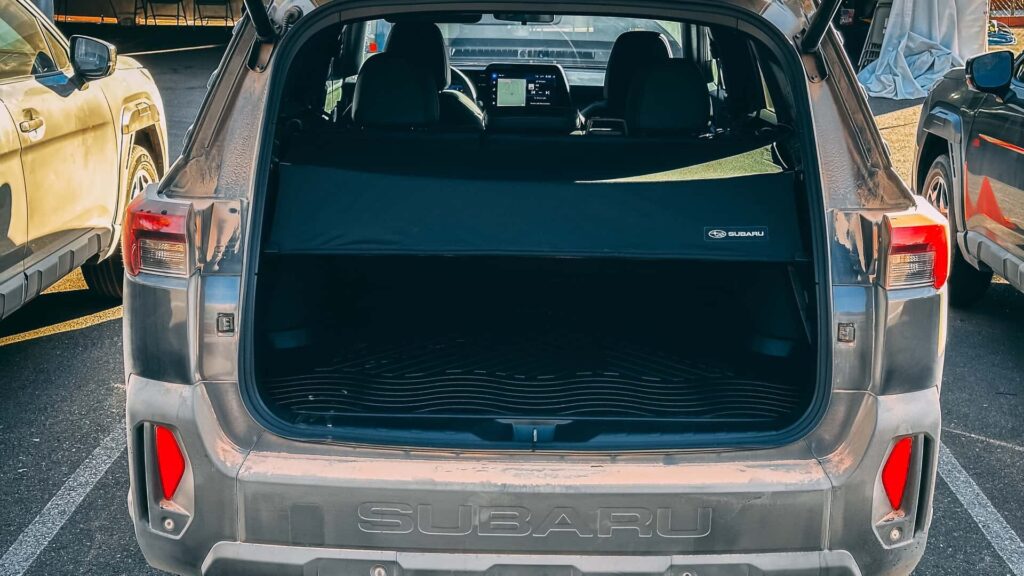
Passenger space is solid. At 6 feet 2 inches tall, I fit comfortably in every seat, with excellent headroom thanks to the taller roof. Rear-seat passengers benefit from available heated seats, USB-C ports, and a separate climate zone. Cargo space is also improved, offering more room than the previous generation.
Performance and Driving Experience
The 2026 Outback carries over its familiar engine options. The base 2.5-liter boxer engine produces 180 horsepower, while the turbocharged 2.4-liter delivers a much stronger 260 horsepower. Both engines are smoother than before thanks to internal updates.
After driving both versions, the turbocharged engine is clearly the better choice. The extra power makes highway driving and passing much easier, even if fuel economy takes a small hit. Most buyers will find the tradeoff worthwhile.
Off-road capability remains a strong point. Even in Limited trim, the Outback handles rough trails better than expected. It feels composed over rocks and uneven surfaces, though the suspension is on the firm side. For serious off-roading, better tires or the upcoming Wilderness trim would be a smarter option.
Pricing and Trims
Pricing has gone up for 2026, partly because Subaru dropped the old base trim. The new starting point is the Premium trim at $36,445.
The Limited model tested here comes in at $43,165 with destination and options. A more basic Limited sits closer to $41,000. At the top of the range, the Touring XT reaches nearly $50,000, while the Wilderness trim slots in just above $46,000.
Final Verdict
The 2026 Subaru Outback may look different, but it still delivers exactly what its audience wants. It is practical, capable, comfortable, and more refined than ever. While the new design will not win over everyone, the interior quality, off-road ability, and sensible size make a strong case for Subaru’s latest evolution.
It may be more SUV-like than before, but the Outback remains one of the most versatile vehicles on sale today.
Discover more from Autochat360
Subscribe to get the latest posts sent to your email.