

The Volkswagen Tiguan has long been the brand’s family SUV hero, but when you needed seven seats, the answer was the Tiguan All space. For 2025, Volkswagen has retired that name in Europe, replacing it with something fresh: the Volkswagen Tayron.
On paper, it’s essentially the new-generation Tiguan with a stretched wheelbase and an extra row of seats. But the Tayron is also more than that, it’s Volkswagen’s attempt to reclaim ground in a segment where the Kia Sorento, Hyundai Santa Fe, and Skoda Kodiaq have been making strong moves.
The question is simple: is the Tayron good enough to tempt buyers away from rivals that already offer space, efficiency, and value? After a week of driving, the answer is… complicated.
Market Position & Rivals
The Tayron fills a crucial gap in Volkswagen’s European lineup. While the Tiguan caters to smaller families, and the Touareg to luxury buyers, there was nothing in the middle for those who wanted a mid-size seven-seat SUV. The Tayron arrives to fix that, competing directly with:
| Rival | Starting Price | Seats | Boot Space (5-seat mode) |
| Skoda Kodiaq | From £38,000 | 7 | 910 litres |
| Hyundai Santa Fe | From £41,000 | 7 | 725 litres |
| Peugeot 5008 | From £38,500 | 7 | 780 litres |
| Kia Sorento | From £43,000 | 7 | 821 litres |
Exterior Design
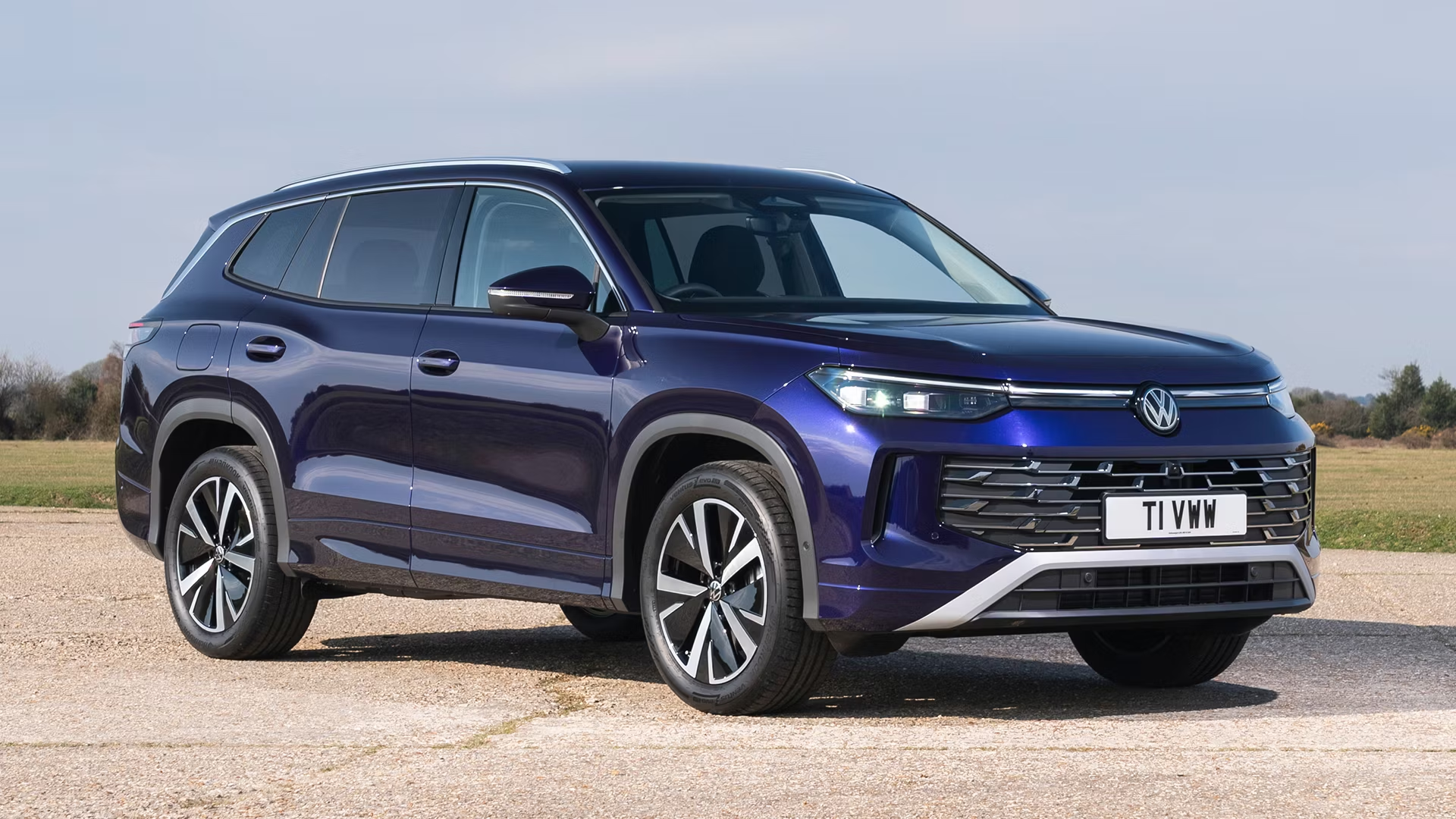
The Tayron’s silhouette will be familiar to anyone who’s seen the new Tiguan, but the extra metal behind the rear doors changes the stance. This isn’t just a Tiguan with a grafted-on boot, VW has worked to give it a more upright, rugged profile.
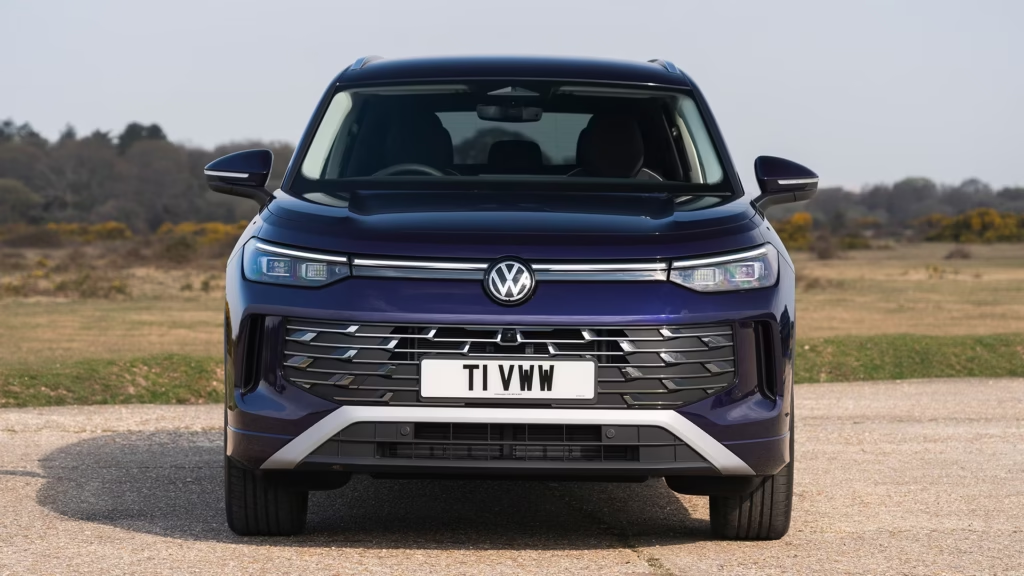
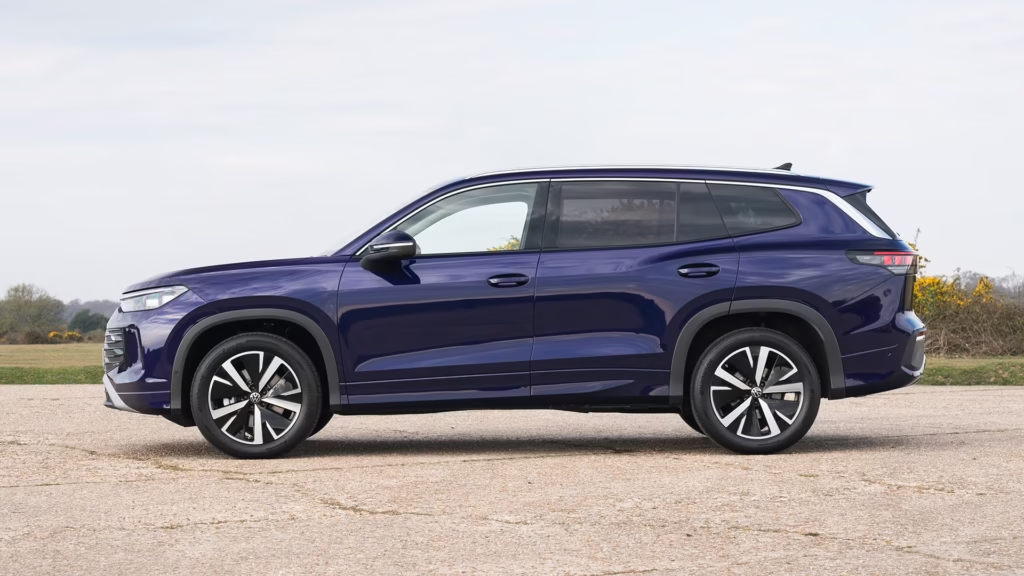
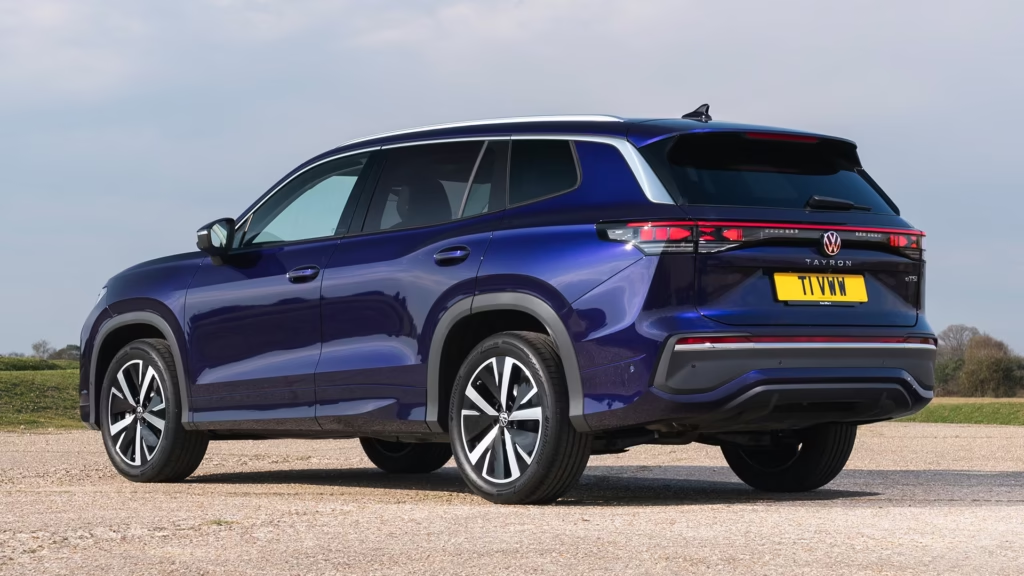
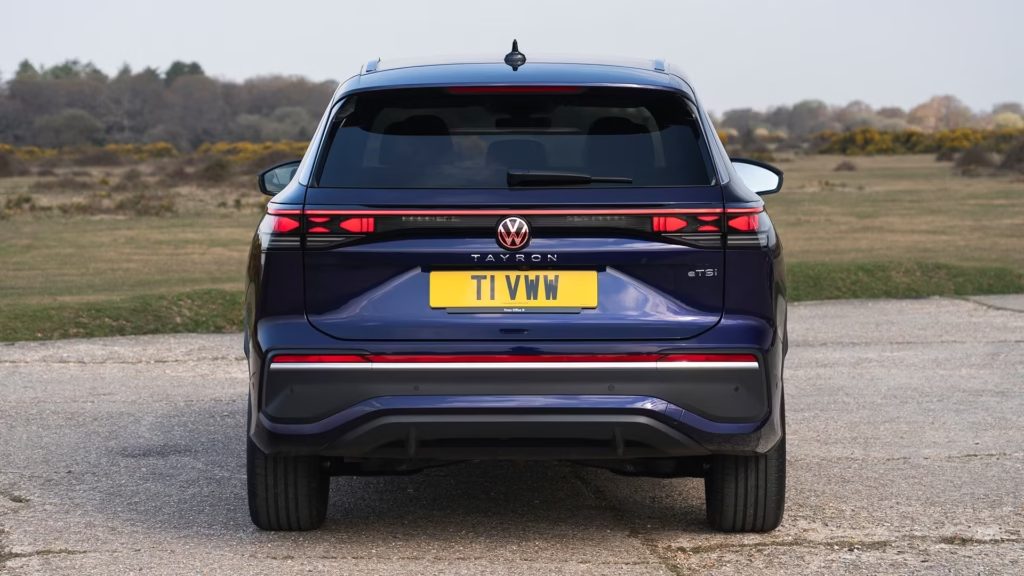
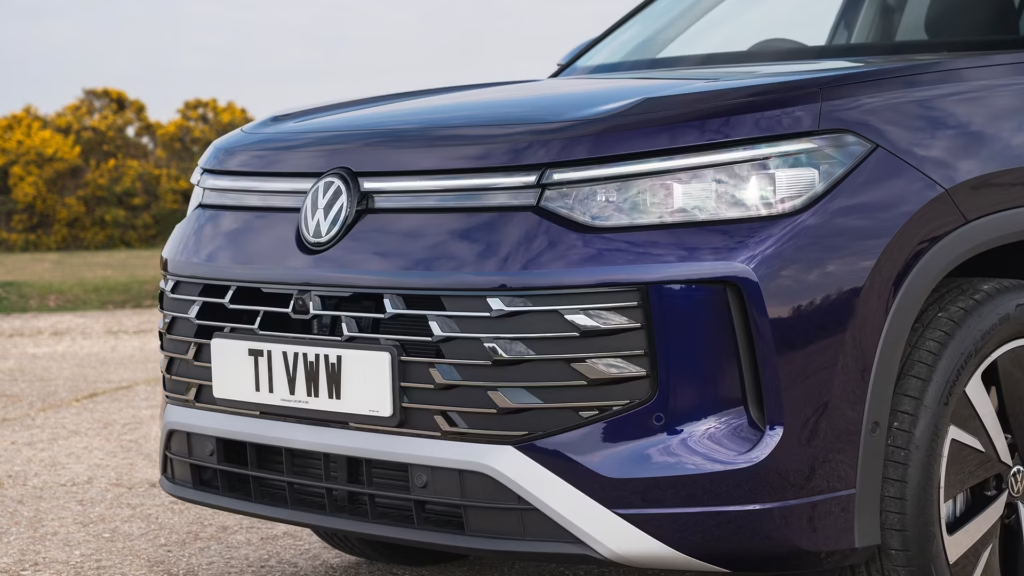
At the front, a broad grille is framed by slim LED headlights, with a full-width light bar that’s now a VW signature. The side profile benefits from clean, horizontal lines, giving it a subtle muscularity, while the rear is square and purposeful, maximizing cargo space.
R-Line models lean into sportiness with body-colored wheel arches, bigger alloys, and gloss-black trim. The result isn’t flashy, but it’s smart, the kind of SUV that blends in until you notice the details.
Interior
The Third Row
Let’s start with the seats everyone asks about. Yes, the Tayron has a third row, and no, it’s not made for six-footers on long trips. It’s a “kids, short journeys, or emergency lift” space.
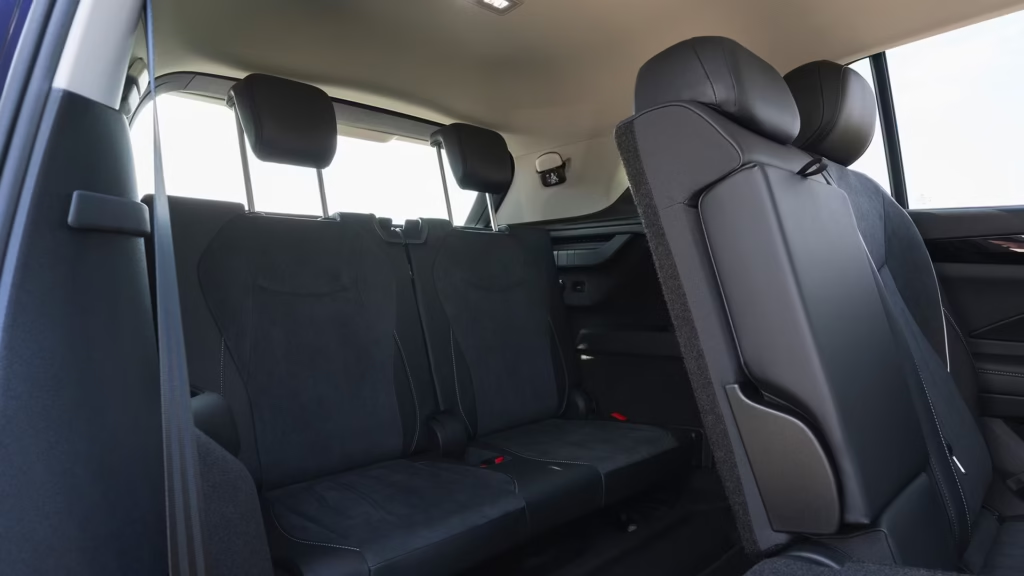
Adults will fit if the middle row is slid forward, but that sacrifices legroom there. The seating position is low, with knees higher than you’d like, and there’s no air vent or USB port back there. You do get cupholders and phone slots, which is better than nothing.
One key caveat: plug-in hybrid versions are five-seat only — the battery sits where the rear-most seats would be.
Middle Row Comfort
Slide into the second row and it’s a different story. The Tayron’s wheelbase stretch really pays off here:
- Generous leg and headroom, even with a panoramic roof.
- Seats slide and recline individually, making it easy to find the right position.
- Quality touches like soft armrests, big carpeted door bins, map pockets, and climate controls with two USB-C ports.
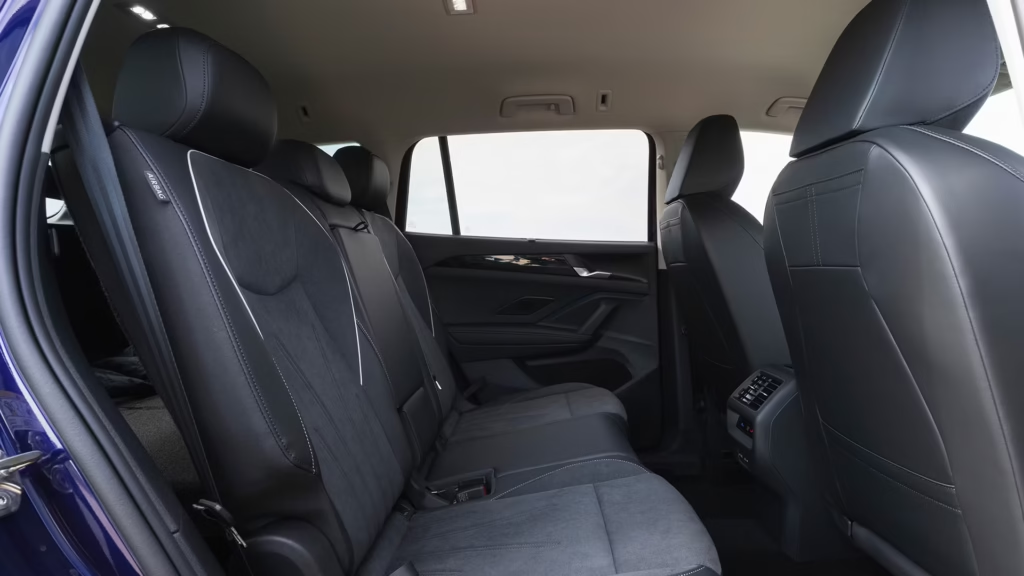
If you carry teens or adults regularly, this middle row is one of the most comfortable in the segment.
Boot Space
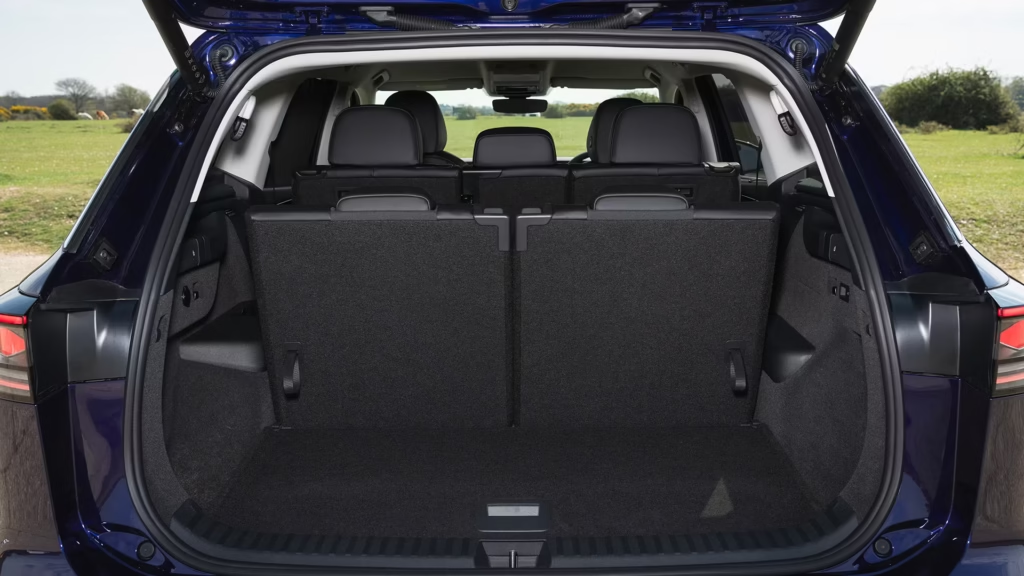
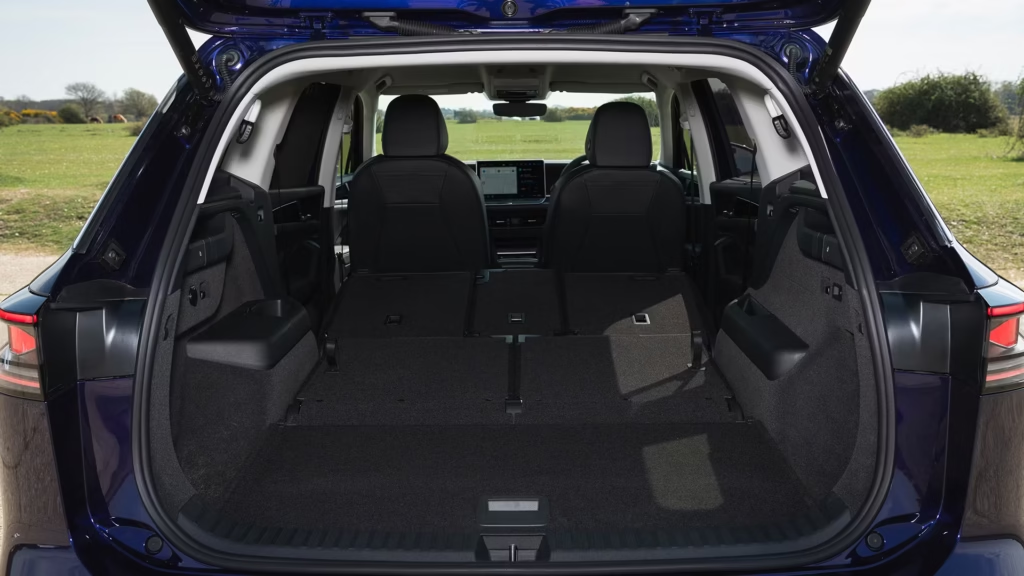
With all seven seats up, boot space is still enough for a weekly shop or a couple of carry-on suitcases. Drop the third row and you get a wide, flat floor, underfloor storage for the parcel shelf, and no-load lip to wrestle heavy items over. With the middle row pushed forward, it’s downright cavernous.
Tech and Cabin Quality
The driving position is pure Volkswagen, upright, commanding, and adjustable to suit just about anyone. Electric lumbar support is standard, and higher trims bring heated, massaging seats and a heated steering wheel. Visibility is excellent thanks to slim A-pillars.
The dashboard design mirrors the Tiguan, with a 10.3-inch digital driver display and 12.9-inch central touchscreen as standard. Spend more and you get a 15-inch version with customizable shortcuts.
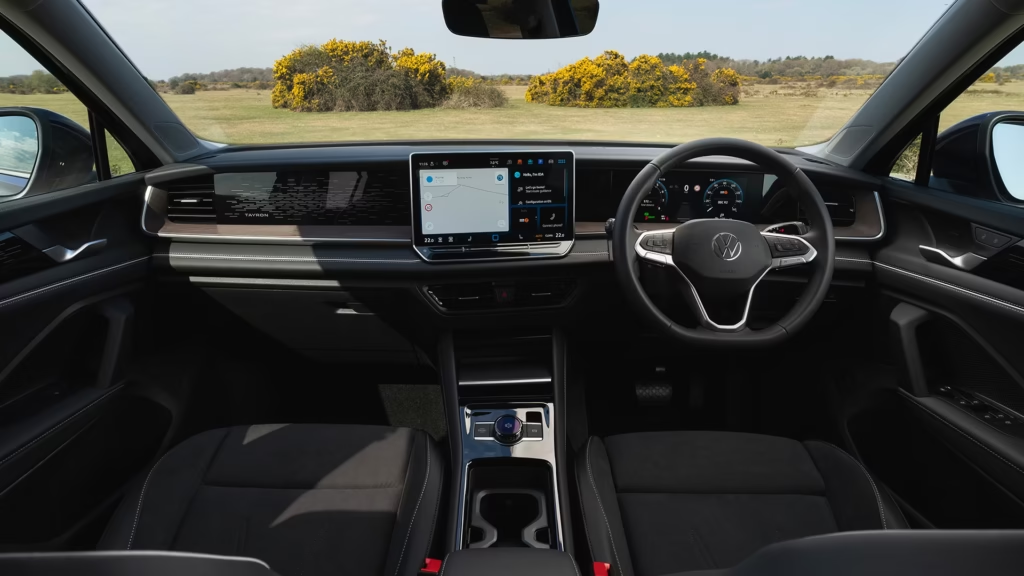
The graphics are crisp and the menus logical once you get used to them, but the climate controls are still buried in the screen, something Skoda fixed with physical buttons in the Kodiaq. Storage is excellent, with deep bins, cupholders, and a split-level centre console.
Material quality is high where your hands and eyes linger, soft-touch plastics on the dash and upper doors with tougher plastics lower down.
Engine Variations
The Volkswagen Tayron offers a wide spread of engines:
- 1.5 eTSI mild-hybrid petrol (148 hp) — frugal for its size, good for urban/suburban use.
- 2.0 TSI petrol with 201 hp or 261 hp — stronger punch for motorway overtakes.
- 2.0 TDI diesel — the long-distance choice, with relaxed cruising and economy.
- Plug-in hybrid (eHybrid) with 201 hp or 268 hp — up to 70 miles electric range (official), fast-charging capability.
All versions are paired with a DSG automatic, and higher-powered models get all-wheel drive.
Ride and Handling
On standard suspension, the Tayron is tuned for comfort. Potholes and expansion joints are smoothed over without the floatiness that plagues softer rivals. It’s quieter than the outgoing Tiguan Allspace, with minimal wind noise at motorway speeds.
Body control is tidy for a big SUV, though the steering is light and more about ease than engagement. Adaptive suspension sharpens things slightly in Sport mode, but most buyers will appreciate its easy-going character.
In the city, the elevated view and light controls make it less intimidating than its size suggests. Standard parking sensors and a reversing camera help, and a 360-degree system is available on higher trims.
Pricing, Trims, and Rivals
In the UK, the Volkswagen Tayron starts around £40,000, with Life, Elegance, R-Line, and R-Line Edition trims. Equipment is generous from the base model, but tempting options, adaptive suspension, upgraded infotainment, panoramic roof can push prices into Hyundai Santa Fe territory.
Key Rivals:
- Skoda Kodiaq: Cheaper, equally practical, better physical controls.
- Kia Sorento: Longer warranty (7 years), similar space, hybrid options.
- Hyundai Santa Fe: Stylish design, premium-feel cabin, five-year warranty.
The Tayron’s trump cards are refinement and middle-row comfort. Rivals offer more kit for less money, but VW’s fit-and-finish still feels a notch above.
Safety and Ownership
A five-star Euro NCAP rating puts it among the safest family SUVs, with:
- Autonomous emergency braking
- Lane keep assist
- Blind-spot monitoring
- Rear cross-traffic alert
- Driver fatigue detection
Who’s It For?
The 2025 Volkswagen Tayron isn’t a radical reinvention of the seven-seat SUV, but it’s a well-judged evolution. It’s best for families who:
- Use the third row occasionally.
- Value refinement, comfort, and build quality over rock-bottom pricing.
- Want plug-in hybrid capability without sacrificing space (if five seats are enough).
If you want more third-row comfort, look at the Kia Sorento. If you want maximum value, the Skoda Kodiaq is hard to beat. But if you want a polished, easy-to-live-with SUV that feels premium without wearing a luxury badge, the Volkswagen Tayron is worth a serious look.
Discover more from Autochat360
Subscribe to get the latest posts sent to your email.